Water has always been California growers’ most precious and most precarious resource. But as drought cycles intensify, groundwater regulations tighten and input costs rise, growers across the state have been forced to rethink how they irrigate.
Thankfully, new technology has been a lifesaver. From soil sensors and plant-based monitoring to AI-driven automation and predictive weather modeling, water management tools are rapidly evolving and improving conditions for many in the ag industry.
For many growers, especially those producing high-value specialty crops, these new technologies are not just optional, but are becoming essential for maintaining productivity, profitability and compliance.
“We’re seeing a real shift toward more sophisticated irrigation management,” said Daniele Zaccaria, associate agriculture water management specialist in cooperative extension at UC Davis. “The higher the value of the crop, the more growers are investing in technology and using advanced tools to fine-tune how and when they irrigate.”
The Stakes Behind Smarter Irrigation
The urgency behind these technological advances becomes clearer when looking at the scale of water use in California agriculture. According to the California Department of Water Resources, in an average year, farming accounts for roughly 40% of the state’s total water use and about 80% of all developed water supplies — water that is actively managed and delivered through reservoirs, canals and groundwater systems.
That water supports approximately 9.6 million irrigated acres across the state and requires an estimated 34 million acre-feet of water annually, underscoring just how dependent California’s agricultural economy is on irrigation.
At the same time, pressure on those water supplies is intensifying. Climate variability, groundwater depletion and regulatory mandates like the Sustainable Groundwater Management Act are forcing growers to produce more with less. Still, even small efficiency gains can have an outsized impact.
Zaccaria noted because agriculture uses such a large share of the state’s water, even incremental improvements in efficiency can translate into significant savings. That reality is driving the rapid adoption of digital irrigation tools.
The goal is no longer just conserving water, it’s maximizing productivity per drop, ensuring that every gallon contributes to crop yield, quality and long-term sustainability.— Daniele Zaccaria, UC Cooperative Extension, UC Davis
A Shift Toward Precision
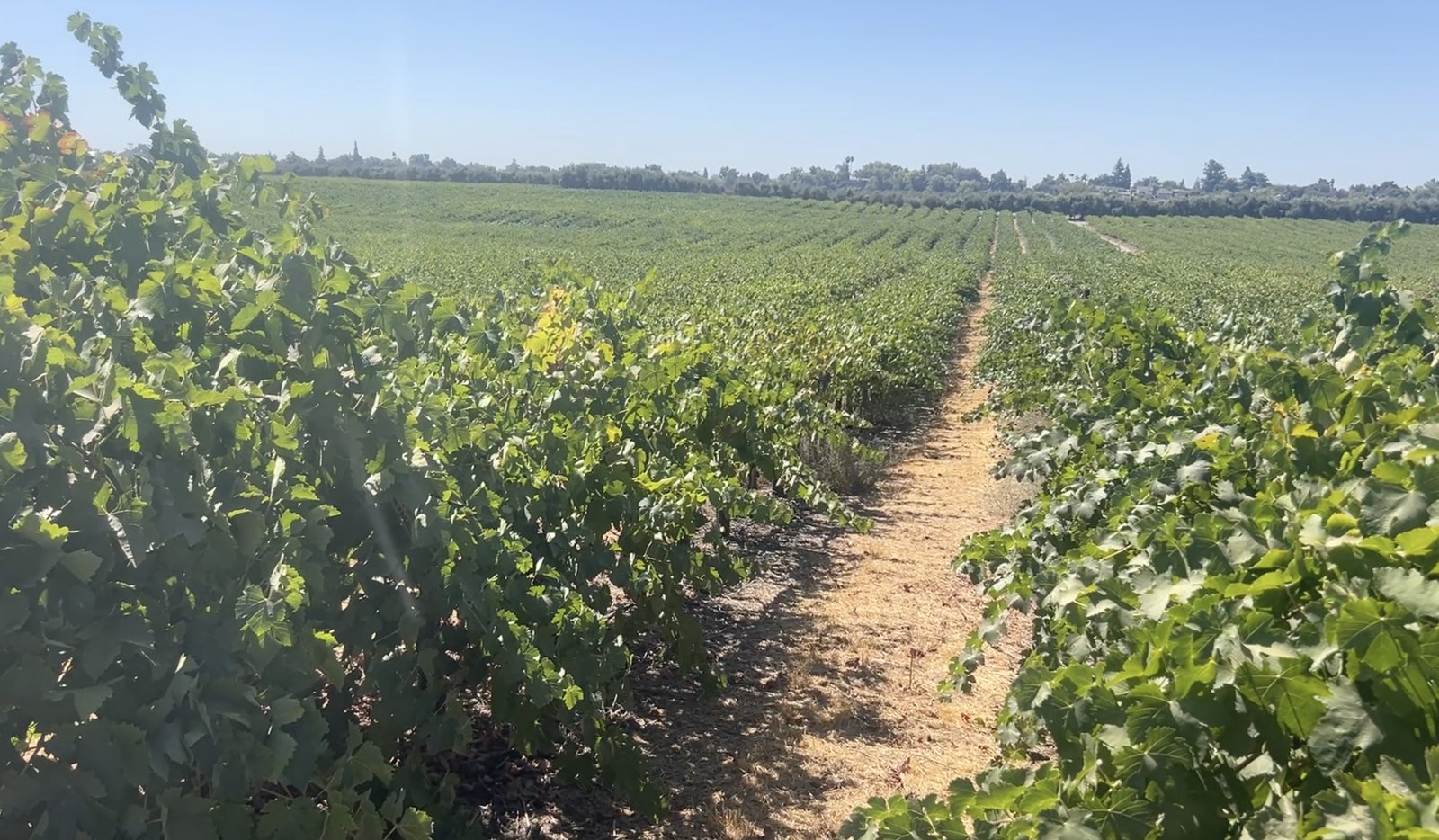
Over the past several decades, acreage has steadily moved away from lower-value annual crops like grains and forage toward permanent crops such as almonds, pistachios, citrus and vineyards. These crops require long-term investment and far more precise water management.
At the same time, irrigation systems themselves have evolved. Traditional surface irrigation methods have increasingly been replaced by micro-irrigation systems, including drip lines and micro-sprinklers.
“We are now at about 60% of the acreage irrigated with micro-irrigation systems,” Zaccaria said, noting that this trend has been building for decades.
While these systems don’t necessarily reduce total water use, they significantly improve efficiency by delivering water directly to the root zone and minimizing losses. But they also require more precise control and monitoring, opening the door for digital tools.
Today’s irrigation management typically relies on three core approaches: weather-based models, soil moisture measurements and plant-based sensing.
Weather-based irrigation, often referred to as evapotranspiration, or ET, modeling, estimates how much water crops are using based on environmental conditions. Soil sensors measure how much moisture is available in the root zone. Plant-based methods, meanwhile, assess how the plant itself is responding to water availability.
“The plant-based method is the new kid on the block,” Zaccaria said. “Rather than relying on indirect indicators, plant-based sensing measures the physiological condition of the crop, offering a more precise view of water stress.”
Some New Tech
One emerging approach gaining traction is plant-based sensing, which measures how crops themselves respond to water conditions in real time.
“Soil moisture sensors measure how much water is in the ground, and weather-based models estimate how much water plants should be using,” said Michael Santiago, CEO of FloraPulse. “But neither tells you how the plant is actually responding.”
FloraPulse’s technology measures stem water potential directly inside the tree, capturing the signal that drives plant stress and crop performance.
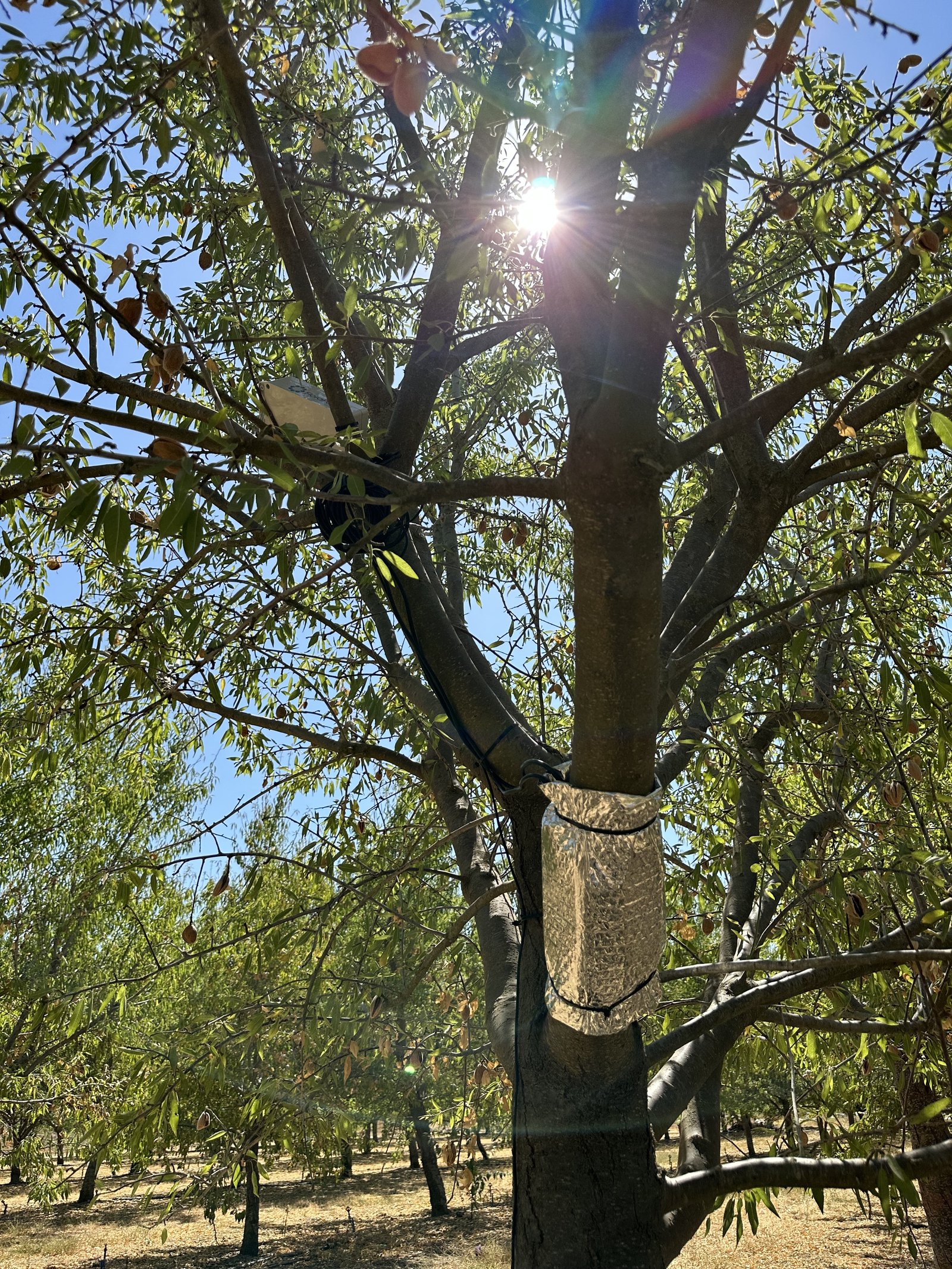
“A plant can show severe stress even when the soil appears well-watered,” Santiago said. “By measuring the plant directly, growers know exactly when, and when not, to irrigate.”
According to Santiago, many growers are surprised by what they discover once they begin using plant-based sensors.
Across our customer base, growers typically find they’ve been overwatering early in the season and underwatering at peak stress periods.— Michael Santiago, CEO, FloraPulse
Correcting those imbalances can deliver significant results. In one case, a prune grower documented a $700-per-acre revenue increase alongside a 40% reduction in water use compared to previous practices.
Experts say the most effective irrigation strategies don’t rely on a single tool, but instead combine multiple data sources.
Zaccaria recommends using plant-based sensing to determine timing, weather-based models to calculate how much water to apply and soil moisture sensors as a feedback mechanism.
“Integration is the key,” he said. “Each method has strengths, and together they provide a much more complete picture.”
This approach is becoming increasingly important as growers face tighter margins for error. Overirrigation wastes water and energy, while underirrigation can reduce yields and crop quality.
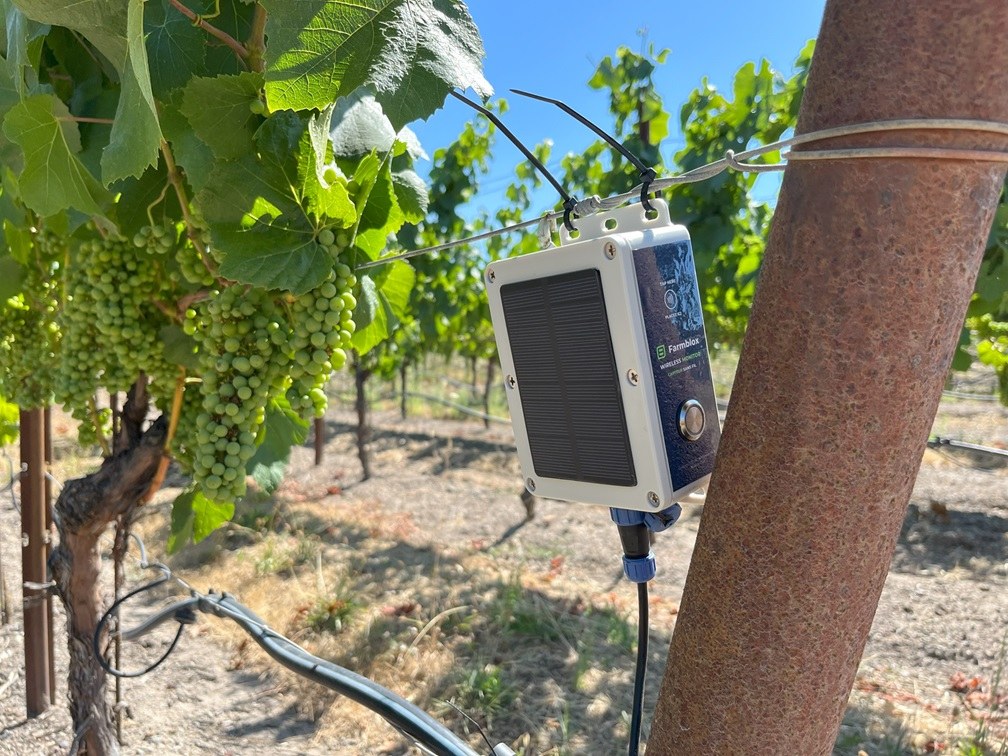
As data collection becomes more sophisticated, automation is also playing an increasingly important role. Companies like Farmblox are focusing on integrating sensors, equipment and control systems into unified platforms that allow growers to monitor and manage irrigation remotely.
“Farmblox gives growers the tools to build their own farm automation system,” said Marc Printz, co-founder and vice president of business development for the company. “The system combines soil moisture sensors, weather data, pump controls and other inputs into a single interface, accessible via smartphone or computer. Growers can quickly see conditions and make adjustments or automate the system entirely.”
Automation can also help reduce labor demands, a growing concern across the industry. Instead of manually checking fields and turning pumps on and off, growers can rely on alerts and automated triggers.
“Farmblox saves growers hours of time checking on their land, their equipment and turning pumps on or off,” Printz said. “The system can even detect leaks or equipment failures in real time. In one vineyard, Farmblox sensors identified a major 150,000-gallon water leak that had gone unnoticed for hours.”
Newer entrants are also pushing the boundaries of irrigation technology, particularly around data integration and artificial intelligence. Platforms like Agro-AI are designed to connect disparate irrigation systems and generate real-time water-use recommendations, while tools such as Tule Vision allow growers to assess plant water stress using smartphone imagery.
The Role of Forecasting
Another major advancement in the industry is the use of predictive data.
Historically, irrigation decisions were largely retrospective, based on how much water crops had used in the past. Today, growers are increasingly using weather forecasts to anticipate future needs.
“Now growers can look ahead seven to 10 days and estimate how much water the crop will use,” Zaccaria said.
Tools like forecasted evapotranspiration data allow growers to plan irrigation schedules in advance, improving efficiency and coordination, especially when working with irrigation districts. This shift from reactive to proactive management represents a significant step forward in how water is managed on the farm.
Barriers to Adoption
Despite the many advancements that have come along in recent years, adoption is not without challenges. Cost remains a factor, particularly for smaller operations. But usability and trust may be even bigger hurdles.
“We had to make sure the technology was not only accurate but also easy to understand,” Santiago said. “Translating complex data into actionable recommendations is critical for adoption.”
Printz points to the importance of flexibility and not being stubborn about old ways.
“Growers don’t like being told what to do by technology companies,” he said. “They want tools they can customize to their specific needs.”
There are also technical challenges, particularly when integrating multiple systems and data streams. Still, as water constraints intensify, the pressure to adopt these tools continues to grow.
Regulation and Accountability
Regulatory requirements are another major driver of change. Under California’s Sustainable Groundwater Management Act, many growers must now demonstrate responsible water use. Therefore, technologies that track and document irrigation practices can provide critical support.
“Growers who can show exactly when and why they irrigated are far better positioned for compliance,” Santiago said.
Automation platforms can also generate detailed records, helping growers meet reporting requirements.
“Farmblox provides a clear record of water use for farmers to show as proof of their compliance,” Printz said.
Looking Ahead
While today’s tools are already transforming irrigation, industry insiders believe the next wave of innovation is just beginning.
Zaccaria points to advances in automation, energy management and plant-based sensing as key areas of growth. He also sees potential in satellite-based monitoring, though the technology is not yet ready for widespread use.
“Right now, it can be inaccurate by 20% to 60%, which is too risky for irrigation decisions,” he said.
Santiago noted that data will play an increasingly central role, particularly as sensor technology improves and costs decline.
“Over the next five to 10 years, sensors will become cheaper and more reliable, enabling monitoring of every irrigation block,” he said.
He also expects AI-driven irrigation systems to become more common, though he cautions that they must be grounded in real-world plant data to be effective.
Ultimately, the future of irrigation in California will depend on how well growers can integrate these tools into their operations. The goal is no longer simply to conserve water, but to maximize its productivity, along with energy and labor.
“The target today is resource-use efficiency across water, energy and labor,” Zaccaria said. “For growers navigating an increasingly complex landscape, technology offers a path forward.”