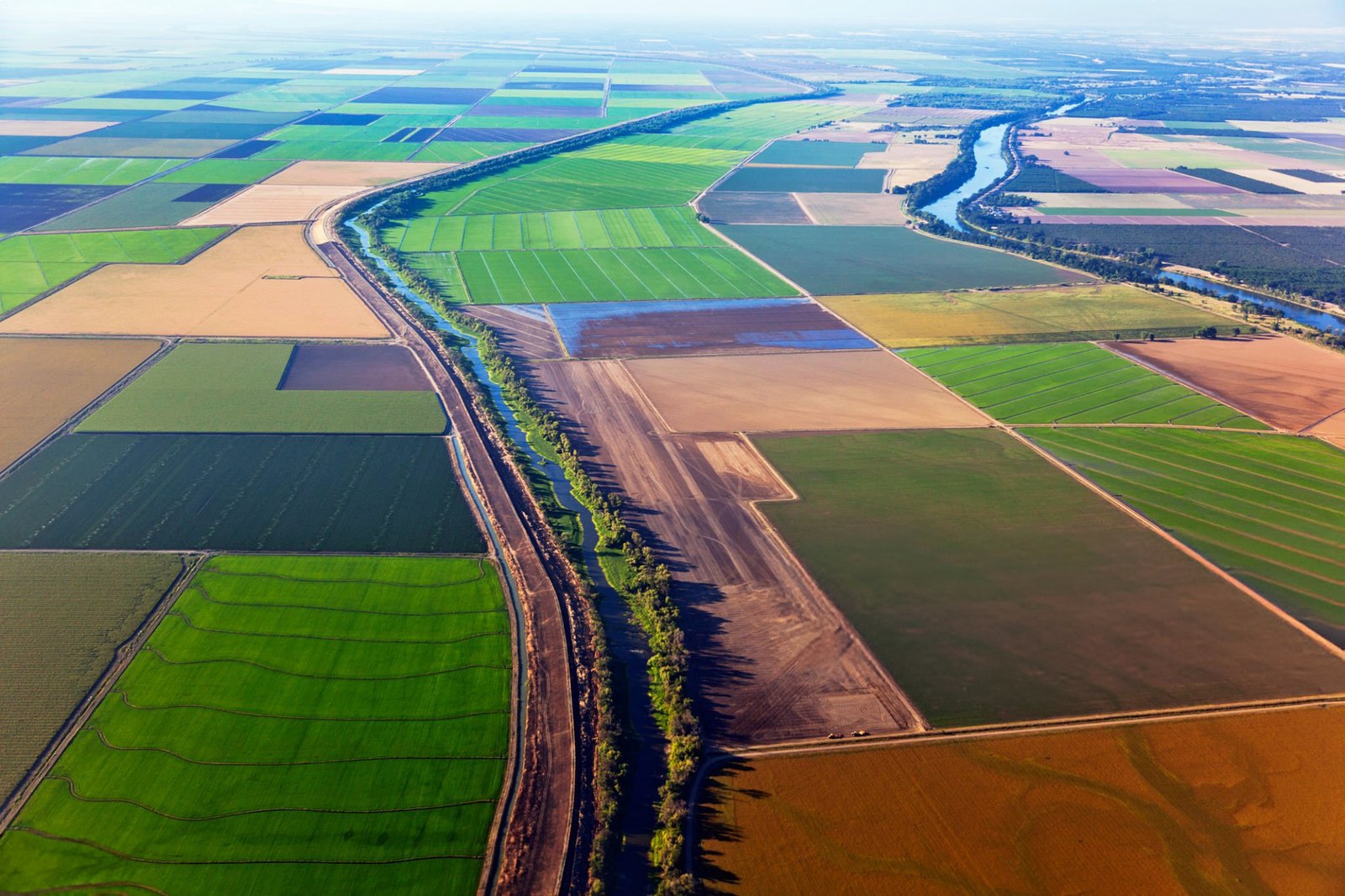
As production challenges intensify, long-term profitability increasingly depends on strategic decisions about water, labor, capital and succession planning.
For most of agriculture’s history, success was measured by production. More acres. More tons. More boxes. More pounds. More yield. While production will always matter, I believe the most successful agricultural businesses in California are beginning to realize something important: The operations that win over the next decade won’t necessarily be the ones producing the most. They’ll be the ones making the smartest financial decisions.
Agriculture has entered a period where scale alone is no longer enough to guarantee success. Rising labor costs, water uncertainty, regulatory pressure, market volatility, increasing insurance costs and higher borrowing expenses are forcing growers and ranchers to think differently. Whether you’re farming almonds, pistachios, grapes, citrus, tomatoes, cotton, vegetables, forage crops or a diversified mix of commodities, the challenges facing agriculture today are larger than any single crop.
The reality is that farming has become one of the most capital-intensive businesses in America. The decisions made in the boardroom today may have a greater impact on profitability than the decisions made in the field tomorrow.
As I travel across California and meet with growers, lenders, processors, crop advisors and agribusiness leaders, five financial mistakes continue to surface. These mistakes aren’t costing operations thousands of dollars. In many cases, they’re costing millions.
Mistake No. 1: Treating Water as an Operational Issue
The first mistake is treating water as an operational issue instead of a long-term business asset. Water has become one of the most important factors influencing the future value of agricultural land in California. The discussion is no longer simply about this year’s irrigation schedule. It’s about long-term access, reliability and risk. Growers who understand their water position, invest in infrastructure, explore recharge opportunities and evaluate future water availability are positioning themselves for long-term success. Those who ignore these conversations may find themselves owning productive land with limited future flexibility.
Mistake No. 2: Allowing Labor Costs to Rise Without Investing in Efficiency
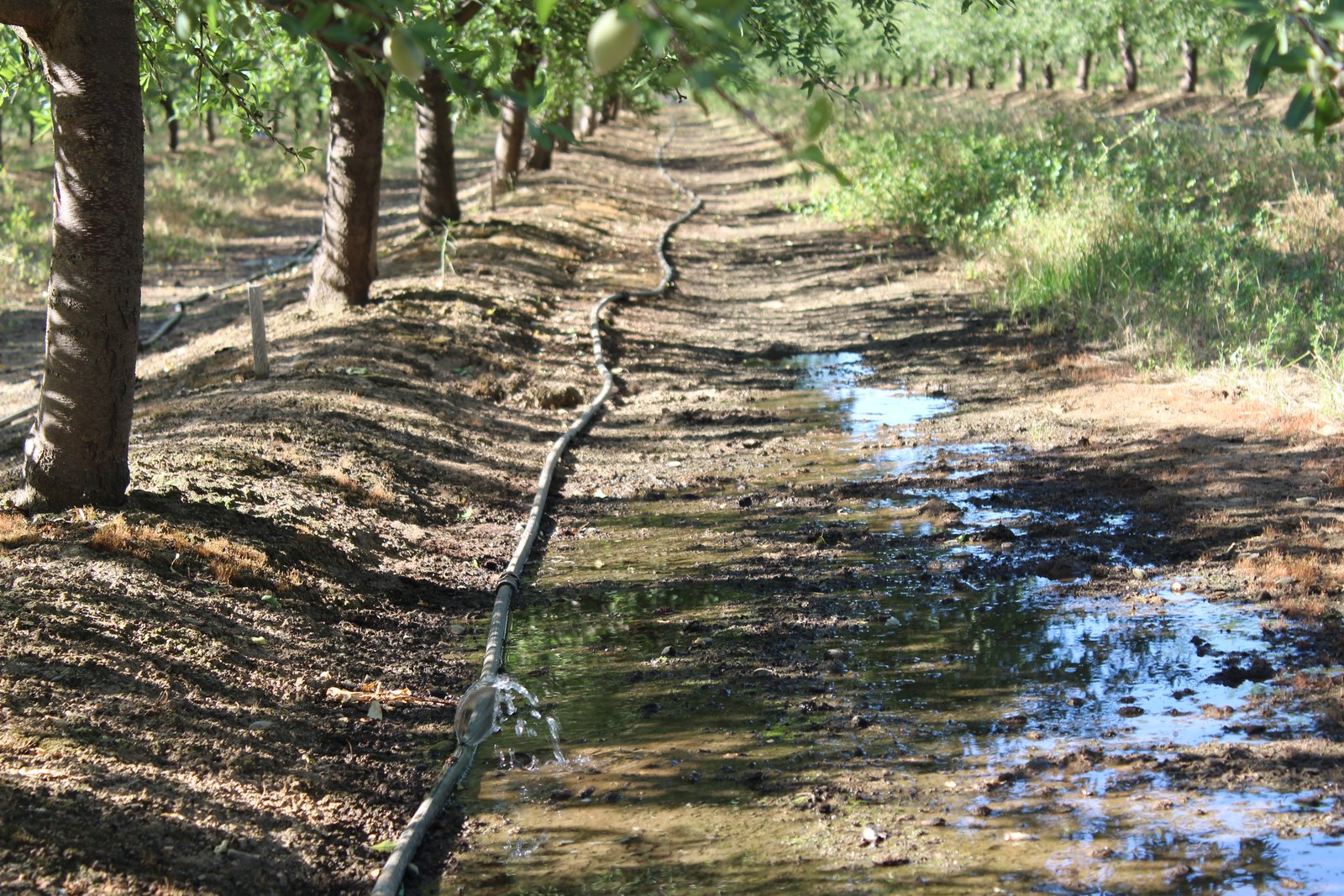
The second mistake is allowing labor costs to rise without investing in efficiency. Labor remains one of the largest expenses for many agricultural operations, and there is little indication those costs will decline anytime soon. The best operators are constantly looking for ways to improve efficiency through technology, mechanization, automation and better management systems. This isn’t about replacing people. It’s about creating a more sustainable business model that allows skilled employees to be more productive. Every operation should be asking itself one question: How can we produce more value with the resources we already have?
Mistake No. 3: Focusing on Production Instead of Profitability
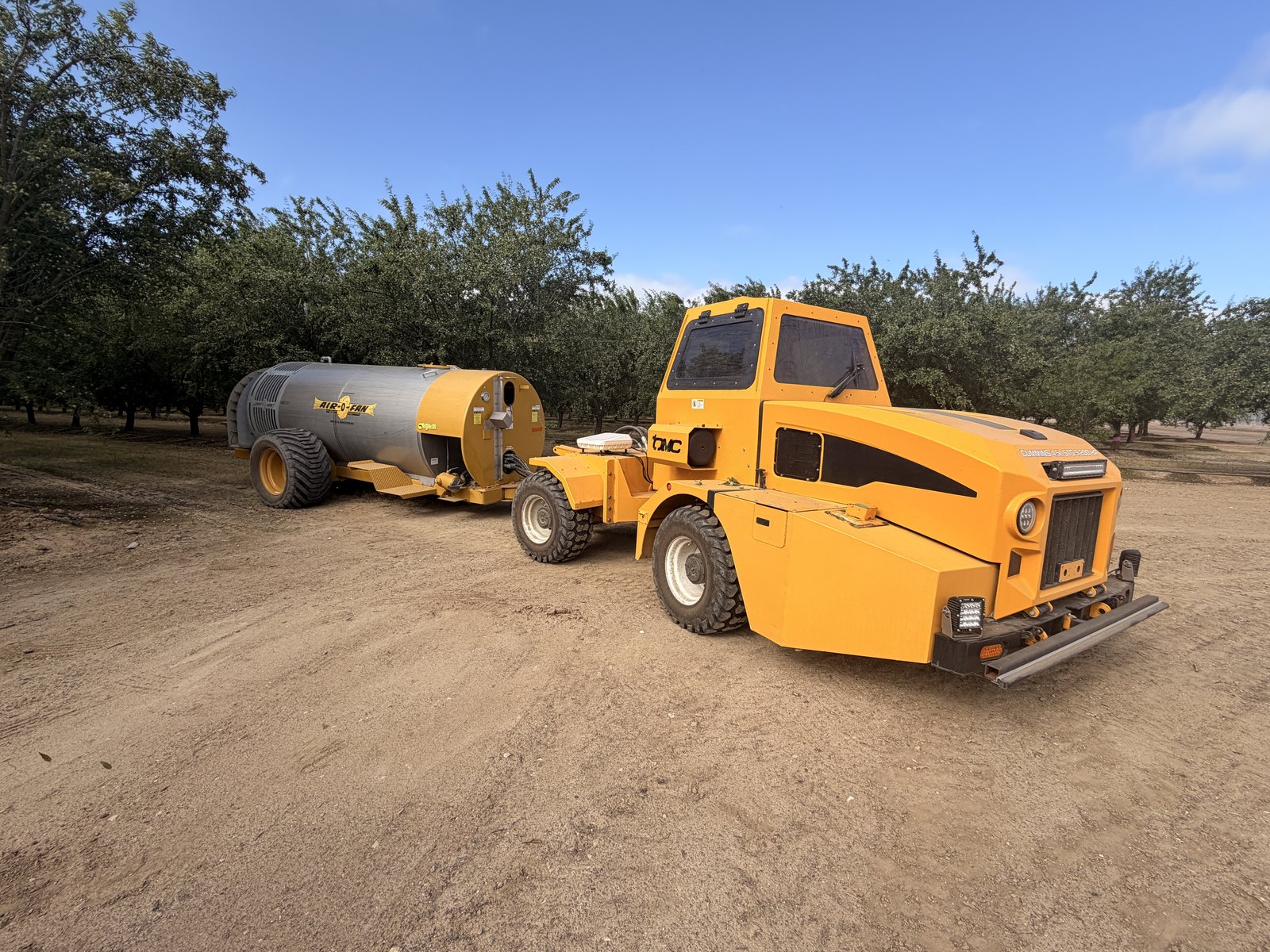
The third mistake is focusing on production instead of profitability. Agriculture has always celebrated yield, but yield without margin is a dangerous metric. The most sophisticated operators know exactly which ranches, fields, varieties or commodities generate the highest returns. They understand their costs. They understand their margins. They understand where capital should be invested and where adjustments need to be made. In today’s environment, every acre, every field and every enterprise should earn its place in the operation. Successful businesses are increasingly managing by return on investment, not emotion.
“In many ways, agriculture has become much more than producing a crop. It’s about building an enterprise.”
Mistake No. 4: Keeping Too Much Capital Tied Up in Underperforming Assets
The fourth mistake is keeping too much capital tied up in underperforming assets. Every operation has assets that were once valuable but may no longer be serving the business at the highest level. It could be equipment, facilities, aging plantings, marginal ground or even business divisions that no longer align with future goals. Strong agricultural leaders are continuously evaluating where capital is deployed and whether those investments are producing acceptable returns. They understand that preserving wealth and growing wealth often require different strategies. The goal isn’t simply to own assets. The goal is to own assets that contribute to the future growth of the business.
Mistake No. 5: Failing to Prepare for the Next Generation
The fifth mistake is failing to prepare for the next generation of agriculture. Across California, many of the most successful agricultural businesses are family-owned enterprises that have been built over decades of hard work and sacrifice. Yet succession planning remains one of the most overlooked areas of business management. The challenge isn’t simply transferring ownership. The challenge is developing future leaders who can navigate increasingly complex business environments. The operations that thrive for generations are intentional about leadership development, governance, communication and long-term planning.
What to Do Next
Reading an article is easy. Applying it is where value is created. Here are three actions every agricultural business should consider before harvest.
First, conduct a strategic review of your operation’s biggest risks. Identify the factors that could have the greatest impact on profitability over the next five years, whether that is water availability, labor, market access, succession planning or debt structure. Understanding risk is the first step toward managing it.
Second, build a profitability scorecard for every major enterprise within your operation. Compare returns by ranch, field, commodity or business unit. The goal is simple: Understand where your best returns are coming from and where capital may be underperforming.
Third, schedule a leadership meeting focused entirely on the future. Bring together family members, partners, managers and trusted advisors. Discuss growth opportunities, succession plans, operational challenges and long-term goals. The best agricultural businesses don’t wait for change to happen to them. They plan for it.
“The real crop isn’t just what’s harvested in the field; it’s the margin protected through disciplined management.”
California agriculture has always been defined by resilience, innovation and optimism. The men and women leading today’s operations have weathered droughts, recessions, labor shortages, market disruptions and regulatory challenges before. They will overcome the challenges ahead as well.
But the next chapter of agriculture will reward a different kind of leadership. It will reward those who think strategically, allocate capital wisely and make disciplined decisions that strengthen their businesses for the long term.
In many ways, agriculture has become much more than producing a crop. It’s about building an enterprise that can create opportunity, withstand adversity and remain strong for generations to come.
And in 2026, the real crop may not be what you’re growing in the field. The real crop may be financial discipline.