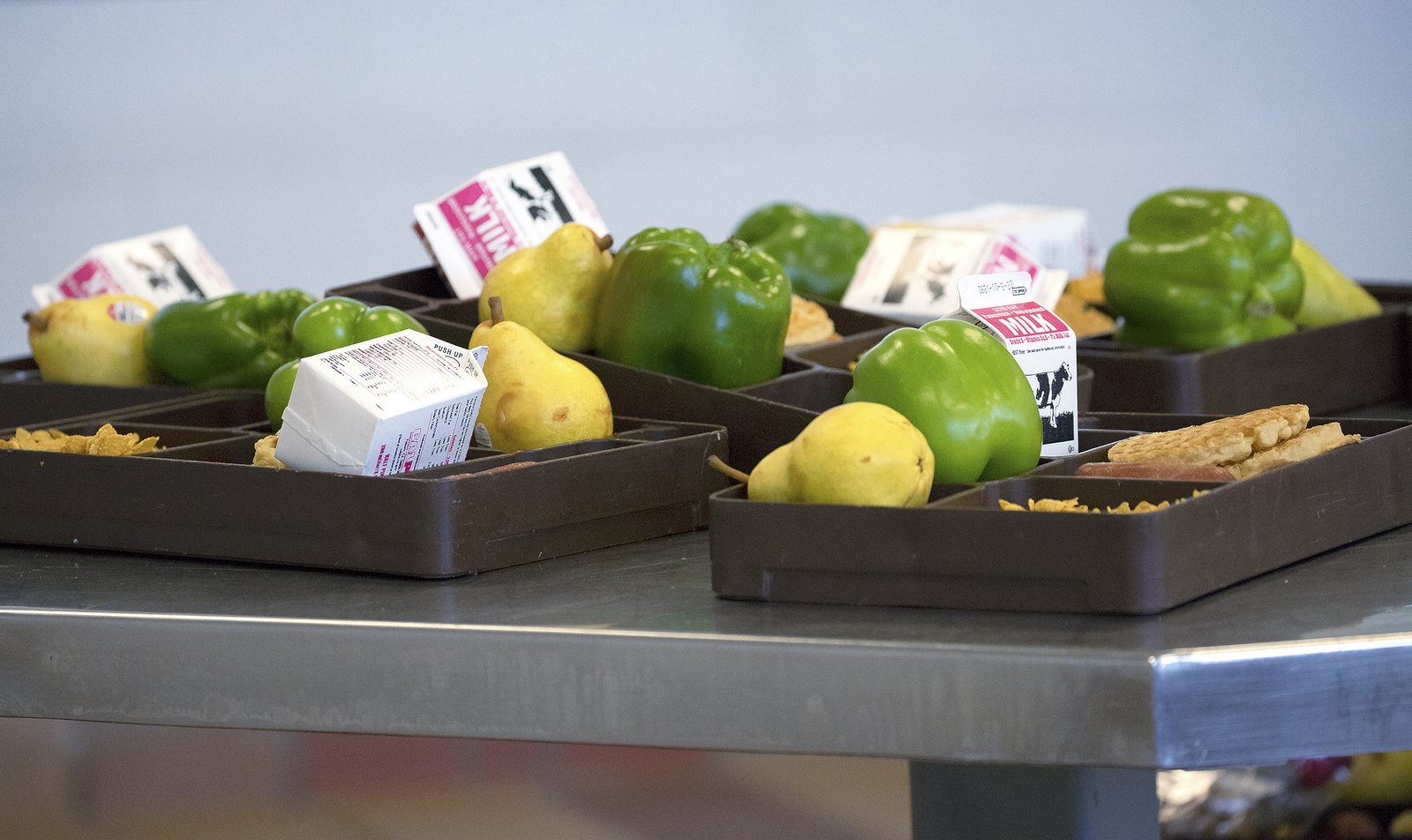
For Tim Mueller of Riverdog Farm in the rural Yolo County town of Guinda, running a diversified operation spanning hundreds of acres, dozens of crops and more than 50 employees means he can’t rely on one single market. For farms like his, consistency in sales isn’t just about profit margins, it’s about maintaining payroll for the people who rely on it.
Programs like Harvest of the Month – a “farm to corrections” program – are starting to offer one more outlet.
Across the United States, these programs bring locally grown fruits and vegetables into prisons to improve the nutrition of incarcerated individuals while also supporting farmers. They also provide agricultural training and vocational skills, improving rehabilitation outcomes and expanding job opportunities after release, with the goal of reducing recidivism.
In California, Harvest of the Month has expanded rapidly in recent years, now reaching 29 adult correctional facilities across the state. On a recent tour for program stakeholders, incarcerated individuals at California State Prison Solano said the access the program has given them to fresh fruits and vegetables has changed the way they think about food, with many saying they have seen and felt improvements in both their physical and mental health.
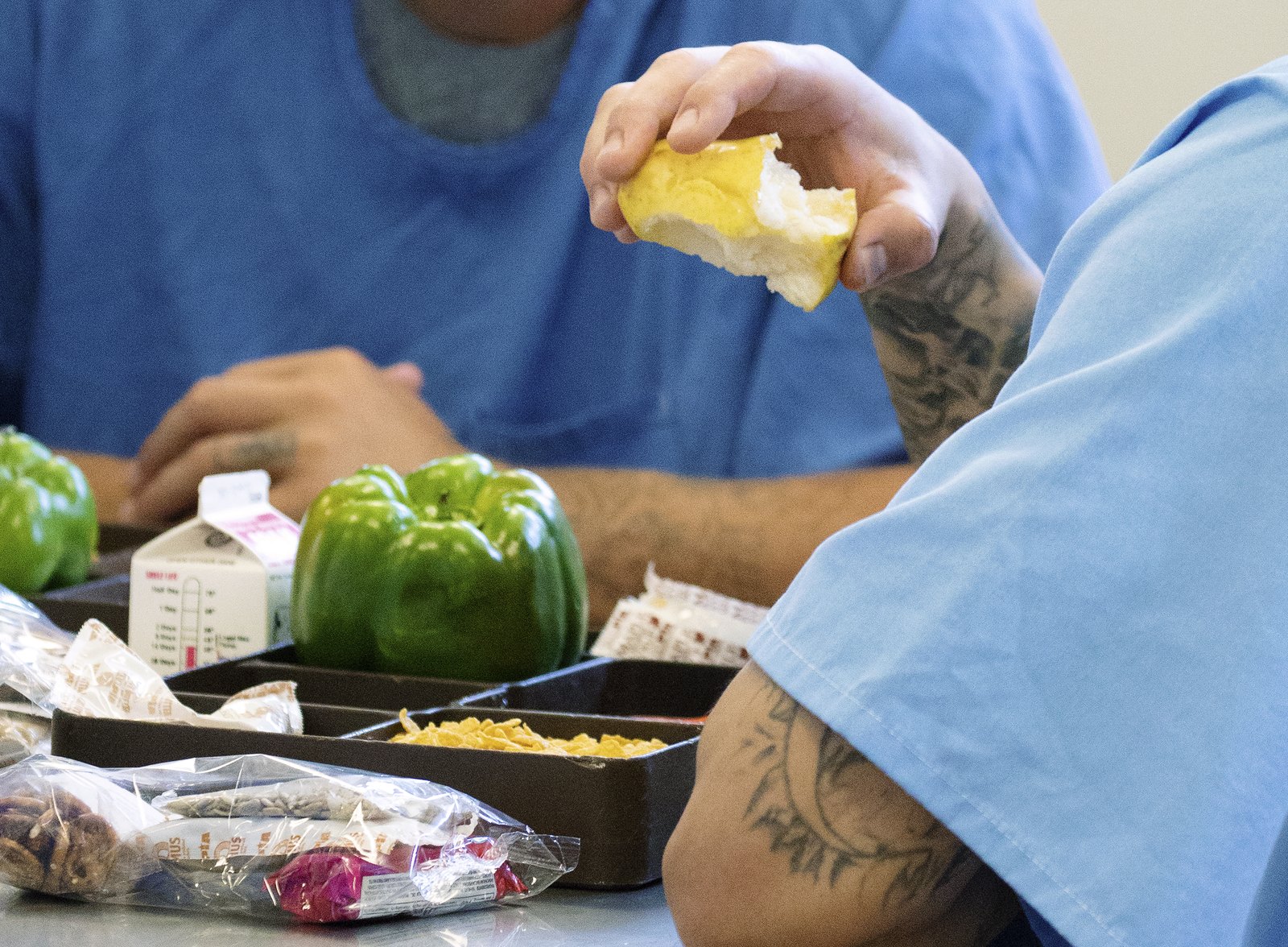
It’s a win-win for both those who call the prison home and for the staff who oversee them. It’s also a huge win for the growers partnering with the program.
The California Department of Corrections and Rehabilitation (CDCR), which operates the state’s prison and parole systems, needs to serve food to approximately 90,000 incarcerated individuals each day, or about 270,000 meals. A 2022 law, AB 778, now requires prisons to source 60% of their food from California-grown products, helping to open a new institutional market for growers through programs like Harvest of the Month.
Other institutional markets such as schools, hospitals and food service programs already represent a growing outlet for California growers. Harvest of the Month in the carceral context builds on that model, offering the potential to expand into a more consistent and meaningful market for California agriculture.
A New Outlet for Diversified Operations
Mueller said the biggest problem he hopes the program will solve for his Capay Valley farm is consistency and stability.
“Having regular customers with good communication and a commitment to buying local food makes a big difference,” he said.
But the program isn’t replacing other channels, it’s just adding to them.
Riverdog Farm currently participates in CSA, wholesale and restaurant sales. Altogether, those markets help support a year-round workforce. Having a variety of outlets like these for the diverse crops Mueller grows can make a significant difference, he explained.
Having a variety of outlets like these for the diverse crops we grow can make a significant difference.— Tim Mueller, Riverdog Farm
Partnering with an entity like CDCR can provide a stable home for larger volumes, allowing growers like Mueller to move a substantial portion of a crop while selling the remaining volume through other channels. For operations of his size, that kind of consistency matters.
How the System Works
Spork Food Hub in Davis was the first food hub to help launch the Harvest of the Month pilot in 2023. Originally created to support school food procurement during the COVID-19 pandemic, the hub now supplies locally grown products to schools, universities, hospitals and other institutional buyers across the region. Harvest of the Month highlights one California-grown fruit and vegetable each month and distributes them to the state’s prisons, pairing growers with institutional buyers like CDCR and creating a structured pathway for local produce to enter the system.
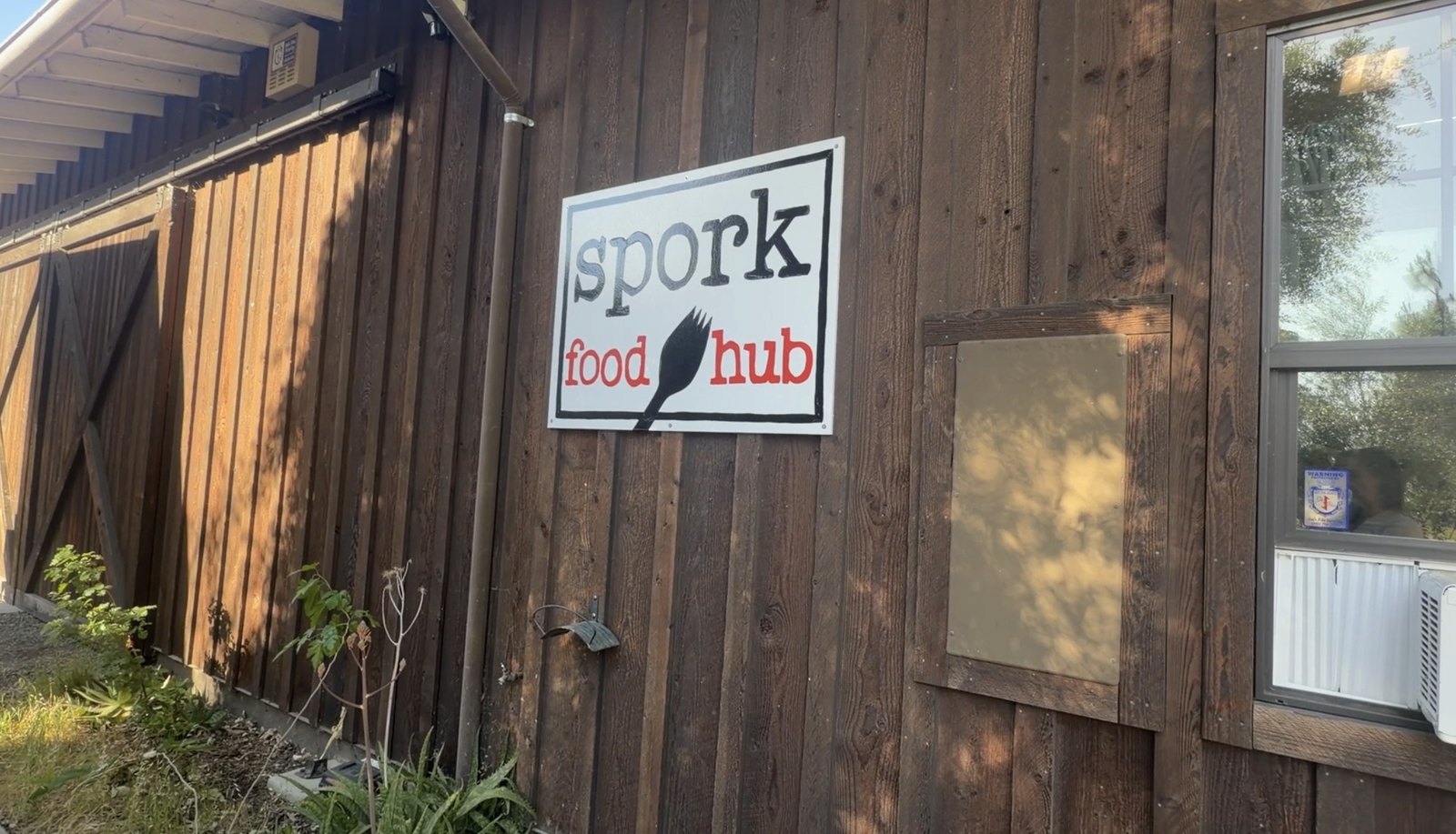
Unlike traditional wholesale markets, the Harvest of the Month model relies on coordination between multiple farms and a central distributor. Food hubs like Spork procure products from different growers, standardize packing and handle distribution, allowing institutions to source from many farms through a single, centralized channel.
With the help of a third-party carrier, Spork now delivers produce to 29 CDCR facilities, according to co-founder Hope Sippola.
“We’re selling about $20,000 a month to each site, which has equated to roughly a million pounds of produce over the last three months,” Sippola said.
That volume is spread across a network of growers. Spork works with roughly 120 farms statewide, with about 10 to 15 growers contributing to each Harvest of the Month distribution, depending on the crop and season.
We’re working with farmers who have never grown in the winter, but because of this program they now have an outlet and can expand their business.— Hope Sippola, co-founder, Spork Food Hub
For those farms, the program isn’t just another buyer, it’s a signal that consistent institutional demand can support changes in production. Having a defined outlet for specific crops, even on a seasonal basis, allows growers to plan differently and potentially expand into new production windows.
At the same time, the system is built around coordination, and that’s where complexities can begin to surface.
Institutional Demand Meets Real-World Constraints
Individual growers often lack the volume, consistency or logistical capacity to supply large institutional buyers like CDCR on their own. The aggregation provided by outlets like Spork solves part of that problem, but it also introduces some challenges. The product must be sourced from multiple farms, align in timing and quality, and be delivered in a way that meets institutional requirements.
The model also reflects the type of farms currently participating. Spork primarily works with small- to medium-scale growers, many of whom are already diversified and flexible in how they market their crops. While that structure allows the system to function, it’s still evolving to align with the needs of larger-scale producers, who require high-volume and consistent outlets.
Expanding beyond that network would require additional infrastructure, including increased aggregation capacity, more coordinated production planning and systems that can handle larger, more uniform volumes.
Those factors help explain how, despite significant institutional demand, the system is still evolving to move more California-grown product through programs like this.
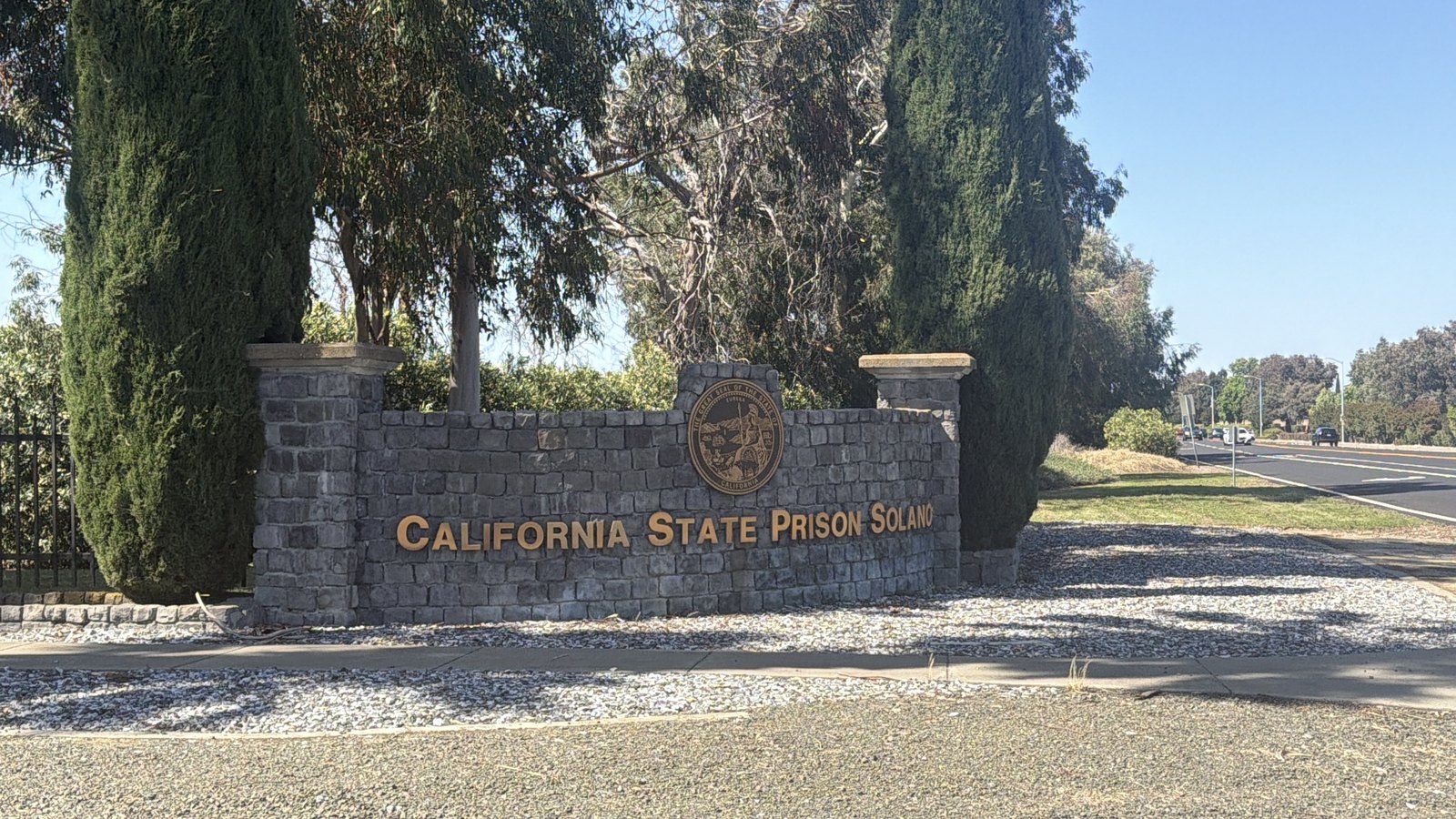
Expanding the program has also required coordination on the institutional side. CDCR officials noted that sourcing California-grown produce comes at a higher cost than traditional purchasing, requiring collaboration across departments and agencies to meet procurement goals under AB 778.
Officials also pointed to cases where the program has connected with growers at risk of losing crops, allowing products to be purchased and redirected into the system. For some growers, that can create an opportunity to move product that may not have had a market otherwise.
What It Would Take to Scale
The Nutrition Policy Institute (NPI), in partnership with the nonprofit Impact Justice, acts as the research and strategic engine behind Harvest of the Month. While partners like Spork handle the physical deliveries, NPI (an institute under University of California Agriculture and Natural Resources) provides the data, funding coordination and expertise needed to make the system work.
For larger-scale growers looking for new market possibilities like this “farm to corrections” approach, expanding the program to meet institutional demand will require changes in how food is sourced and supplied, according to Wendi Gosliner, project scientist with NPI.
“In order to provide more whole, fresh produce items to these facilities, the scale does need to increase,” said Gosliner, principal investigator on the California Department of Food and Agriculture specialty crop block grant supporting the project. “It probably can’t be only small farmers providing the fresh produce if we want to see a lot more.”
In order to provide more whole, fresh produce items to these facilities, the scale does need to increase.— Wendi Gosliner, project scientist, Nutrition Policy Institute
She noted that cost remains a key factor, and expanding access to California-grown produce at scale will require balancing price, volume and supply chain efficiency. The program’s early expansion has also been supported in part by grant funding, pointing to the need for continued investment as it grows.
For growers like Mueller, it raises a broader question about where operations of his scale fit into the system.
As Harvest of the Month continues to expand, its long-term opportunity for larger-scale growers will depend on whether it can deliver the kind of consistency those operations need.
In short, it could work if key gaps are addressed.
“If we can have a stable market for local produce,” Mueller said, “we’ll grow more vegetables.”