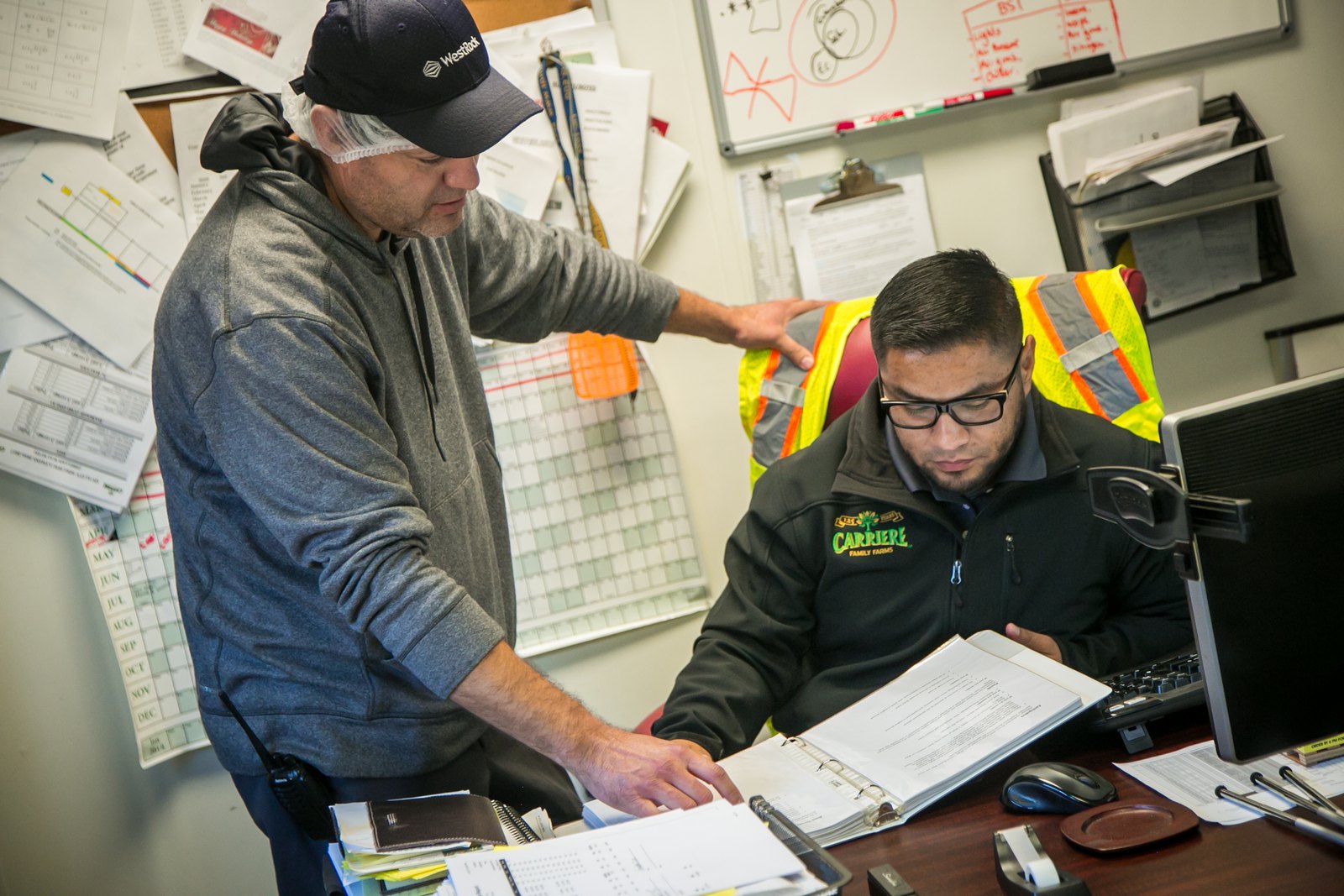
With enforcement expanding, growers must move beyond written programs and focus on execution across crews, locations and labor contractors.
Earlier this year, AgSafe hosted its annual ACTIVATE conference in Monterey, California, bringing together agricultural leaders to focus on safety, health and leadership development across the industry. State and federal agencies shared regulatory priorities and program updates, and attendees heard directly from Cal/OSHA’s Agricultural Enforcement Task Force and Outreach Unit program manager and Cal/OSHA Consultation about citation trends and enforcement priorities since 2025.
The message is clear: California’s agricultural industry is operating under heightened regulatory attention. With the establishment of a dedicated Agricultural Enforcement Task Force and Outreach Unit in 2025, Cal/OSHA has intensified its presence across agricultural regions.
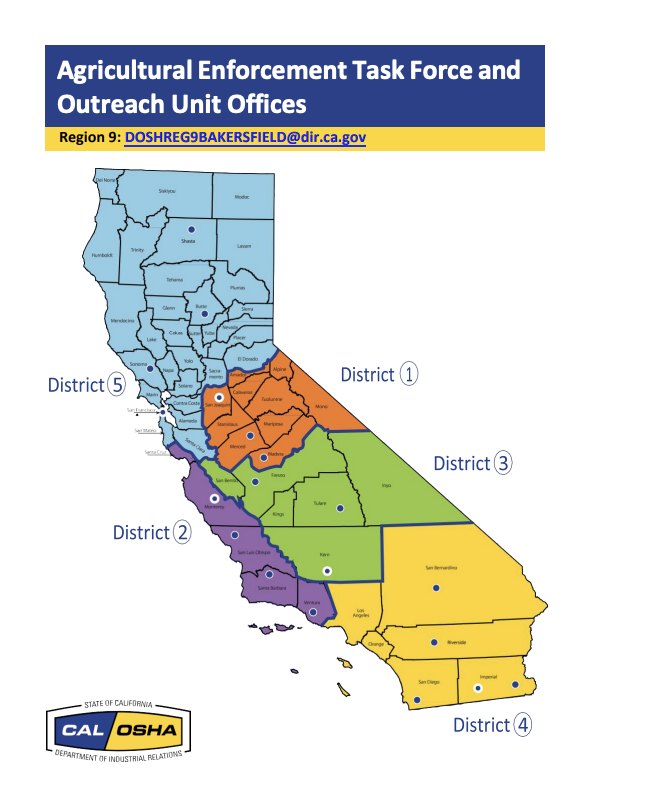
Additional inspectors are conducting proactive surveillance inspections, and recent citation data show the five most frequently cited standards in agriculture are heat illness prevention, field sanitation, injury and illness prevention programs, recordkeeping and electrical safety. Employers should anticipate an increase in agency visits to agricultural worksites.
The enforcement focus is not abstract. Citation trends reveal clear patterns in where employers fall short and where inspectors concentrate their efforts. Understanding these areas of exposure allows agricultural operations to prioritize corrective action before an inspection occurs.
No. 1 Heat Illness Prevention
Heat illness prevention, governed by Title 8, California Code of Regulations, Section 3395, continues to rank first. California maintains one of the nation’s most comprehensive heat standards, reflecting the state’s climate and the outdoor nature of agricultural work.
Core requirements include:
- A written heat illness prevention plan available at the worksite and understandable to employees
- At least one quart of fresh drinking water per employee per hour
- Shade when temperatures exceed 80 degrees Fahrenheit
- High-heat procedures at or above 95 degrees, including observation and communication protocols
- Clear emergency response procedures with directions to the worksite
Citations often stem from implementation gaps. Shade structures may be too far from the active work area, water may not be replenished during peak heat, and high-heat procedures are not consistently documented or enforced. Acclimatization practices for new employees are also frequently informal rather than systematic.
With expanded enforcement presence, heat illness compliance will remain a visible and high-priority inspection focus across both field and indoor environments.
Don’t Forget About Indoor Heat Illness
While much of the focus remains on outdoor agricultural work, employers should not overlook California’s indoor heat illness prevention requirements. Packing houses, cold-storage transitions, processing facilities and other indoor operations may fall under Cal/OSHA’s indoor heat standard when temperatures reach regulatory thresholds.
As enforcement activity expands, inspectors are evaluating both field and facility environments. Heat illness compliance is no longer limited to outdoor crews. It applies anywhere employees are exposed to elevated temperatures.
No. 2 Field Sanitation
Field sanitation, governed by Section 3457, ranks second. The requirements are straightforward and highly observable during inspections.
Employers must provide:
- At least one toilet per 20 employees
- Toilets within a quarter-mile walk or transportation provided
- Handwashing facilities with clean water, soap and single-use towels
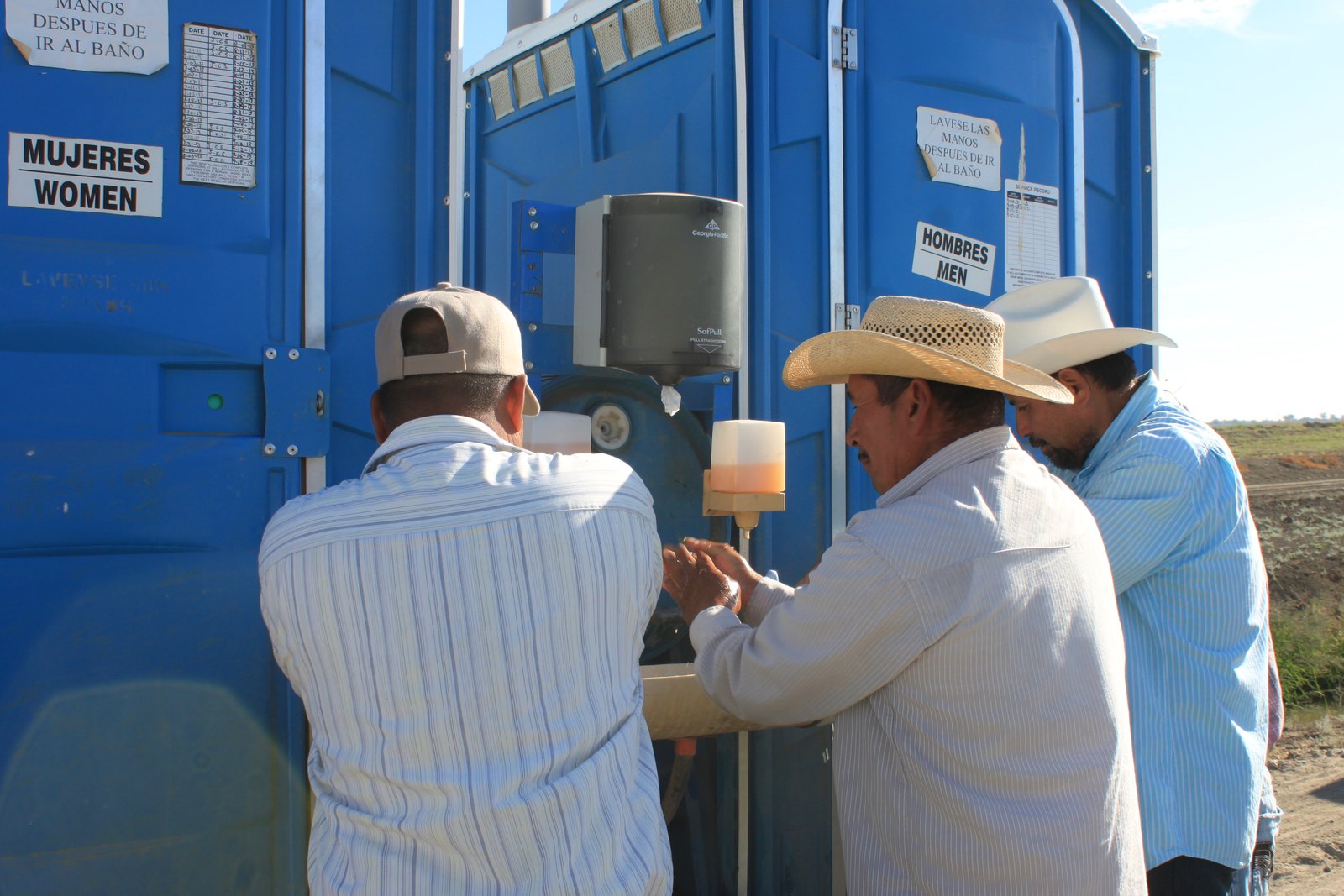
Citations frequently arise from maintenance lapses. Inspectors commonly identify missing supplies, unsanitary portable units or facilities located beyond the required distance. Because these conditions are immediately visible, field sanitation remains one of the most consistently cited standards in agriculture.
No. 3 Injury and Illness Prevention Program
The injury and illness prevention program, or IIPP, required under Section 3203, serves as the foundation of California’s workplace safety system.
A compliant IIPP must include a written program specific to the employer’s operations, procedures to identify and correct hazards, systems for employee communication, and training for employees and supervisors.
Citations often occur when programs are outdated, generic or not actively implemented. Missing training documentation and lack of periodic hazard assessments can expose employers to violations.
A strong IIPP functions as the operating system behind compliance in all other safety standards.
No. 4 Recordkeeping
Recordkeeping, governed by Section 14300 and related provisions, remains a significant enforcement area. Employers are required to record work-related injuries and illnesses, maintain Cal/OSHA logs and post the Form 300A annual summary from Feb. 1 through April 30.
Common violations include failing to post required summaries, misclassifying recordable cases or failing to update logs in a timely manner.
In addition, expanded personnel record obligations under Senate Bill 513 now include employee training and education records. For agricultural employers, this reinforces the importance of maintaining consistent, accurate documentation of safety training activities.
Incomplete or inconsistent records can create both labor code exposure and Cal/OSHA risk, particularly during inspections that expand beyond initial findings.
No. 5 Electrical Safety
Electrical safety rounds out the top five cited standards. Regulations are found in Title 8, Sections 2299-2989. Agriculture increasingly relies on powered equipment, irrigation systems and temporary power sources, which increases exposure.
The standard requires proper installation and maintenance of electrical equipment, protection from damaged cords and exposed wiring, and use of qualified personnel for electrical work.
Citations frequently involve damaged extension cords, improper grounding or unqualified employees performing repairs. Routine inspections and clear restrictions on electrical work can significantly reduce risk.
Compliance is no longer about having a plan on paper. It is about consistent execution across every crew, every location and every day.— Theresa Kiehn, President & CEO, AgSafe
What This Means at Scale
For larger agricultural operations, compliance risk is increasingly tied to consistency across crews, locations and labor structures. As Cal/OSHA expands proactive inspections, regulators are looking beyond written programs to how effectively they are implemented in the field.
Variability is where exposure occurs:
- Differences between crews or ranches
- Inconsistent supervisor practices
- Gaps between direct employees and contracted labor
Inspections are also becoming more comprehensive. What may begin as a focused review can expand into a broader evaluation of training, documentation and overall program implementation.
For larger employers, compliance must be managed as a system, with standardized processes, clear expectations and ongoing verification.
What to Prioritize Now
Across the industry, several recurring gaps continue to drive citations:
Farm labor contractor and temporary staffing oversight. Growers should verify that contractors are implementing required safety programs, conducting training and maintaining proper field conditions. Contractor compliance is viewed as part of the grower’s responsibility.
Supervisor execution. Supervisors are the front line of compliance. Breakdowns often occur when expectations are unclear or training is not reinforced in real-world conditions.
Internal audits and mock inspections. Proactive employers are identifying issues before regulators do through internal audits and simulated inspections. These efforts help ensure programs are functioning as intended.
Documentation consistency. Incomplete or inconsistent records, particularly for training and heat illness procedures, remain a leading source of citations. Standardized documentation practices across operations are essential.
Enforcement Is Increasing
The enforcement environment has shifted. With increased inspection activity and a growing emphasis on consistency and accountability, agricultural employers should expect more frequent and more comprehensive evaluations.
Now is the time to move beyond written programs and focus on execution, ensuring supervisors are trained, labor contractors are vetted, and internal systems are in place to verify compliance across every crew and location.
Employers that prioritize proactive audits, standardized processes and strong field-level leadership will be best positioned to navigate this evolving enforcement landscape.
AgSafe is a nonprofit 501(c)(3) organization (EIN 68-0259724) established in 1991 and recognized as an educational leader in agricultural safety, human resources and leadership development. The organization provides training, education and practical tools to support agricultural employers, supervisors and workers in promoting safe workplaces, regulatory compliance and effective leadership practices. Headquartered in California, AgSafe delivers programs nationwide, including Hawaii and the Pacific Islands, through in-person instruction, virtual learning and partnerships with industry organizations. Agricultural employers seeking additional information about AgSafe and its services can visit www.agsafe.org, email safeinfo@agsafe.org or call 209-526-4400.