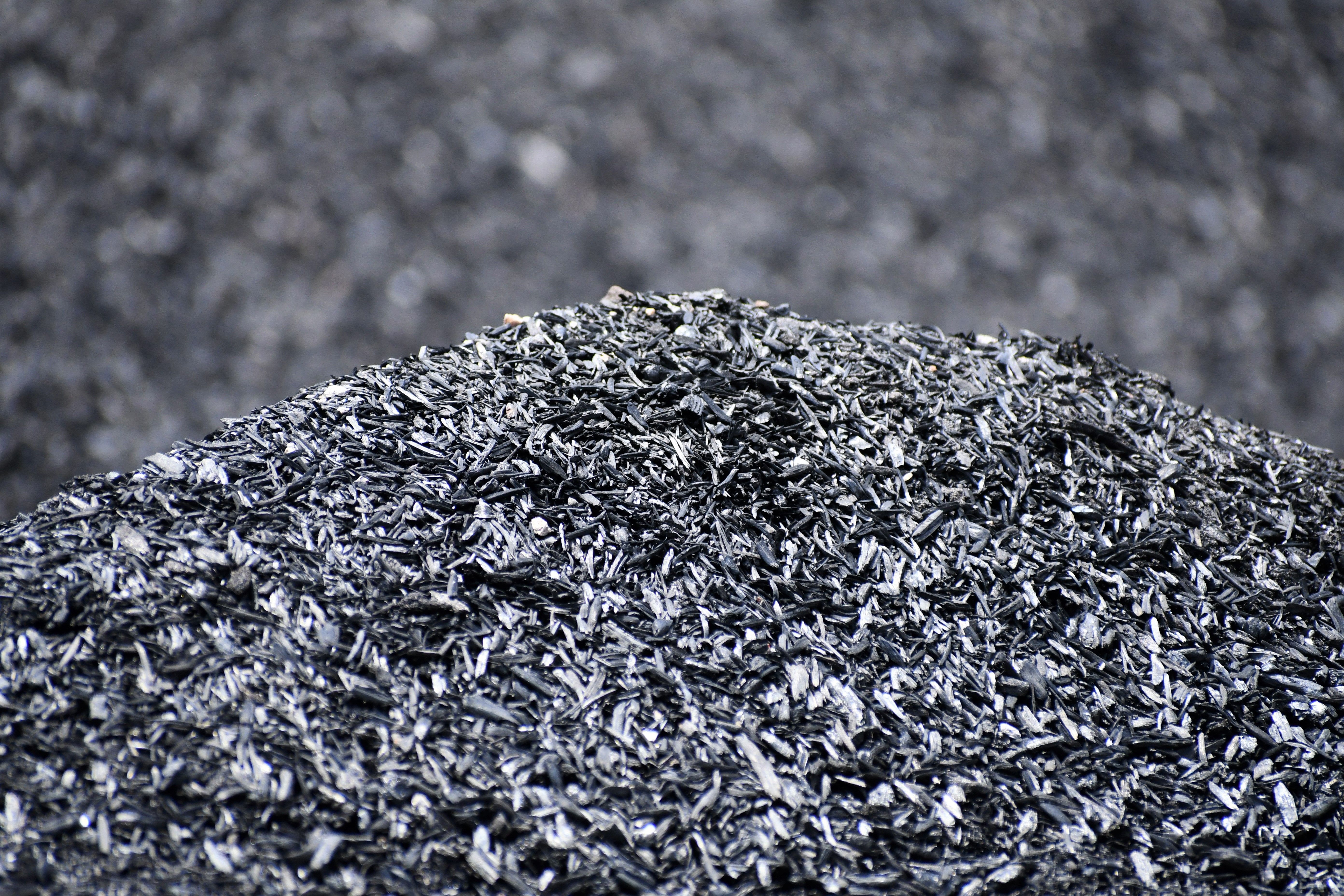
A partnership between Treehouse California Almonds and biochar producer Sitos Group will soon result in a new production facility in Delano, California. The facility, housed in a 20,000-square-foot metal building on five acres, will include three continuous pyrolysis reactors to turn almond shells into biochar.
Biochar is a form of charcoal created through thermal decomposition and used to improve soil aeration, fertility and pH balance while reducing greenhouse gas emissions. Its use in agriculture dates back more than 1,000 years, when the Kuikuro tribe in the Amazon enriched soil with it to create nutrient-dense "terra preta," or dark earth.
Toward Commercial Launch
If everything stays on schedule, the facility will be operational by July, according to Jessica Bronner, director of business operations at Sitos Group.
More than 70 companies in the U.S. produce biochar, most commonly using gasification or fast pyrolysis. Both methods thermally decompose organic material into energy or biochar, but gasification uses limited oxygen at higher temperatures. Bronner said gasifier-produced biochar is common in Northern California and Oregon.
"The biochar we hope to produce is around 85-plus % carbon, and carbon is nonbiodegradable," Bronner said. "Unlike compost, which you apply year after year because the soil microbes eat it and use it as energy, biochar is inert. It's not going to be eaten by a microbe, but it will provide a 'house or condominium' for microbes to grow and populate."
Growers often make mistakes when using biochar, said Steve McIntyre, Sitos Group co-founder and president of Monterey Pacific.
"The biggest mistake is applying raw biochar to soil without compost," McIntyre said. "Biochar provides a stable structure for microbes, but compost provides the food. Without both, you don't get the full benefit. Raw biochar only supports the life already present in the soil, which is why we recommend 'pre-charging' it with compost to add more life."
The facility will also include a commercial-scale dryer powered by excess energy generated through exothermic equipment.
"They create more energy than they use," Bronner said. "We'll use that to support a microgrid or boiler system, and also to dry feedstock from 40% moisture down to 5% to ensure consistency."
Mayo Ryan, Sitos Group co-founder and CEO, said the system is designed with sustainability in mind.
"Once it reaches operating temperature, it largely sustains itself," he said. "It produces virtually no emissions aside from hot air, which we can reuse to generate renewable energy or steam."
Beyond production, the site will include an educational center. Sitos is partnering with the Butte County Office of Education to build a training program and will offer presentations and facility tours for growers and visitors.
"If someone just wants to know about biochar, we'll lead tours onsite, talk about how it performs in the soil, and do a presentation," Bronner said.
What Growers Need to Know About Biochar
Bronner said she advises growers to ask three key questions when sourcing biochar: What's the carbon content? How is it made? And what is the feedstock?
"The carbon content can vary from 50% to over 90%, and that matters from a grower's perspective," she said. "How it's made, whether it's batch-based, slow pyrolysis or gasification, affects the biochar's electrical charge and ash content, which all impact the soil."
"The carbon in biochar creates a stable home for beneficial microorganisms in the soil," McIntyre added. "Those microbes drive nutrient cycling and ultimately support healthier, more productive plants. The more carbon, the more stability for those microbes to populate and thrive."
Sitos uses slow pyrolysis, which retains the natural pore structure of the feedstock. Bronner said feedstock selection also plays a role in biochar performance.
"Slow pyrolysis exposes pores that are already existent in a feedstock," she said. "Hardwood has fewer pores than softwood or nutshells. Almond shell is naturally really porous. Thinking of a sponge, if you have really compact clay soils and you put a sponge in there, it's going to create a lot more aeration and be able to hold water."
According to Bronner, almond and coconut shells produce the highest quality biochar.
"Coconut shell is probably the highest-grade feedstock you could use. They even use it in lithium batteries because of the carbon quality," she said. "But almond shell is next on the list because of its porosity."
Sitos plans to use all of Treehouse Almonds' annual 15,000-ton almond shell output, sourcing an additional 9,000 to 11,000 tons from a local farmers co-op to meet their yearly production goals.
"We can customize biochar," Bronner said. "We can change pH values, use different feedstocks, change ash content. If somebody needed a lot of alkalinity in their soil, needed a high-ash biochar, we could make that."
Soils are highly variable, so biochar shouldn't be one size fits all.— Mayo Ryan, Sitos Group
"Our technology allows us to adjust properties like pH, water-holding capacity and cation exchange capacity by controlling temperatures at different stages of the pyrolysis process. These temperature changes create distinct biochar characteristics that can be matched to specific soil needs. Our equipment is also feedstock agnostic."
Bronner added that most producers offer just one type of biochar based on a single feedstock.
"With these other producers, you get what you get and you don't throw a fit," she said. "Our focus is biochar. We can tailor it to soil needs up and down the state, high pH, low pH, high cation exchange capacity, low EC."
Biochar in the Field
Location was no accident. The Delano facility sits just east of Highway 99, nestled between Tulare and Kings counties, two of the top three ag-producing counties in the U.S.
"Shipping is probably just as expensive as the material itself," Bronner said. "That's why we're trying to be closer to agriculture. We're the first biochar producer with a direct tie to ag, using ag byproducts and returning biochar to ag lands. We're the only one we know of doing that to date."
Sitos Group was formed by Ryan, who developed the company's pyrolysis technology, and McIntyre, a longtime grower. McIntyre had been using biochar in vineyards for a decade before teaming up with Ryan. As a subsidiary of Monterey Pacific, Sitos produces biochar that's used in the company's own vineyard operations.
"We're directly tied to ag," Bronner said. "We're a team of growers. We don't just sell biochar, we follow up, help apply it, check soils. That's our approach."
In a 10-year vineyard trial by Monterey Pacific, biochar led to a 35% increase in crop yield. The trial also showed improved soil water-holding capacity and fertilizer retention, reducing leaching during heavy rains.
"One of the biggest benefits the wine industry saw was crop resiliency," Bronner said. "We had a really bad crop year, and the biochar compost-amended plots just kept going like business as usual."
Sitos is now conducting its first in-house orchard trial and expects similar outcomes. While the company hasn't conducted its own citrus or vegetable crop trials, Bronner said that Central Valley citrus and avocado growers have used biochar for more than a decade. She noted that several external studies support its use in those crops.