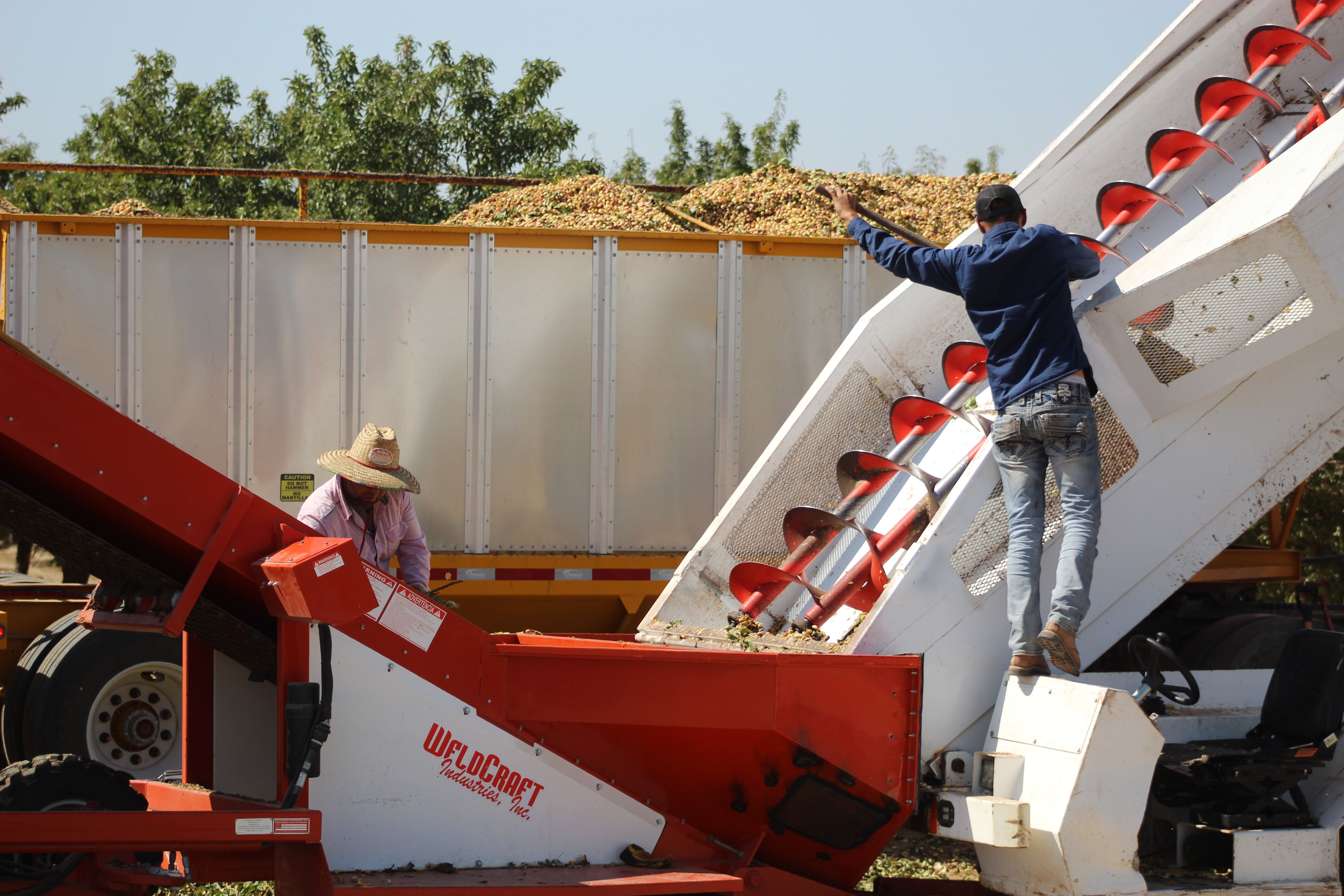
California specialty crop agriculture operates at global scale. The state produces nearly half of the fruits and more than three-quarters of the vegetables in the United States. In 2024, California agriculture generated $61.2 billion in cash receipts and $23.8 billion in exports.
That scale creates influence, but it also creates exposure.
In 2026, three structural forces are reshaping how serious operators think about labor, global markets and enterprise discipline. The growers who recognize these shifts early will not just adjust. They will strengthen their long-term position.
1. Workforce Evolution Is Accelerating Operational Modernization
Specialty crops remain labor-intensive. Harvesting, pruning, thinning and packing require skilled workers, and labor costs represent a significant share of operating expenses for many fruit, vegetable and nut producers.
The H-2A guest worker program has continued to expand nationally in recent years, reflecting increasing reliance on structured labor pathways across U.S. agriculture. At the same time, federal funding for specialty crop mechanization and automation research has grown, signaling recognition at the policy level that labor innovation is critical to long-term competitiveness.
This is more than a workforce challenge. It is a modernization catalyst.
The growers who build hybrid labor systems now, combining structured guest worker programs, strong retention strategies and targeted automation investments, are building predictability into their operations. Labor planning is becoming a year-round enterprise discussion rather than a seasonal reaction.
Volatility is forcing innovation. And innovation favors operators who invest early and think long term.
2. Global Trade Realignment Is Shifting Market Leverage
California remains one of the largest agricultural exporters in the world, shipping $23.8 billion in agricultural goods in 2024. That export footprint makes specialty crop growers highly connected to global economic conditions.
In recent years, tariff adjustments and trade shifts involving Canada, Mexico, China and the European Union have reshaped export flows. While these changes have created short-term disruption in some markets, they have also accelerated diversification.
Almonds provide a strong example. California produces roughly 80% of the world's almond supply, making it one of the most globally exposed specialty crops. Trade tensions in prior years, including retaliatory tariffs from China, forced exporters to expand into alternative markets.
Mexico has strengthened as a trading partner across multiple commodity categories. Southeast Asian markets continue to grow in importance. Buyers are increasingly spreading sourcing risk across regions.
The broader takeaway is clear. Trade volatility redistributes demand. It does not eliminate it.
Growers who cultivate diversified export relationships gain leverage. They reduce concentration risk and strengthen negotiating power with buyers. Global awareness is no longer a secondary function. It is a core enterprise capability.
3. Enterprise Discipline Is Becoming the Competitive Divider
Specialty crops account for more than one-third of U.S. crop sales and exceed $75 billion in annual farm-gate value. With that economic weight comes complexity.
Rising input costs across almonds, berries, lettuce, apples and other specialty crops have compressed margins in recent years. Fertilizer, fuel, compliance, insurance and labor costs have all contributed to tighter operating environments.
Leading growers are responding with structure.
Enterprise operators are implementing quarterly export and pricing reviews, labor forecasting aligned with harvest windows, capital allocation models that account for volatility and formal risk dashboards reviewed at the ownership or board level.
This level of governance is no longer reserved for publicly traded companies. Large private operations are institutionalizing these practices to improve financial clarity and long-term resilience.
Discipline increases lender confidence. It strengthens succession planning. It improves enterprise valuation.
In a more volatile environment, structure compounds.
“The growers who recognize these shifts early will not just adjust. They will strengthen their long-term position.”
The Strategic Reality for 2026
California specialty crop growers sit at the intersection of workforce evolution, global trade realignment and rising enterprise complexity. These are not temporary disruptions. They are structural shifts.
The growers who thrive in 2026 and beyond will treat labor as a strategic system, diversify export exposure before volatility forces urgency and formalize governance before complexity erodes margins.
California agriculture has always led through innovation. The difference today is the speed of change and the level of global integration.
The three forces reshaping California specialty crops are not signals to retreat.
They are signals to lead.